
Quick answer: TCS accepts most non-hazardous liquids – cooking oil, creams, shampoos, bottled drinks – usually in quantities under 1 litre per container, provided they are packed to a leak-proof standard: sealed bottle, inner plastic bag, strong outer box. Flammable liquids like alcohol-based perfumes and aerosol sprays are classed as dangerous goods and are refused as standard parcels. When in doubt, call your branch before you pack.
In this guide
Which liquids does TCS accept?
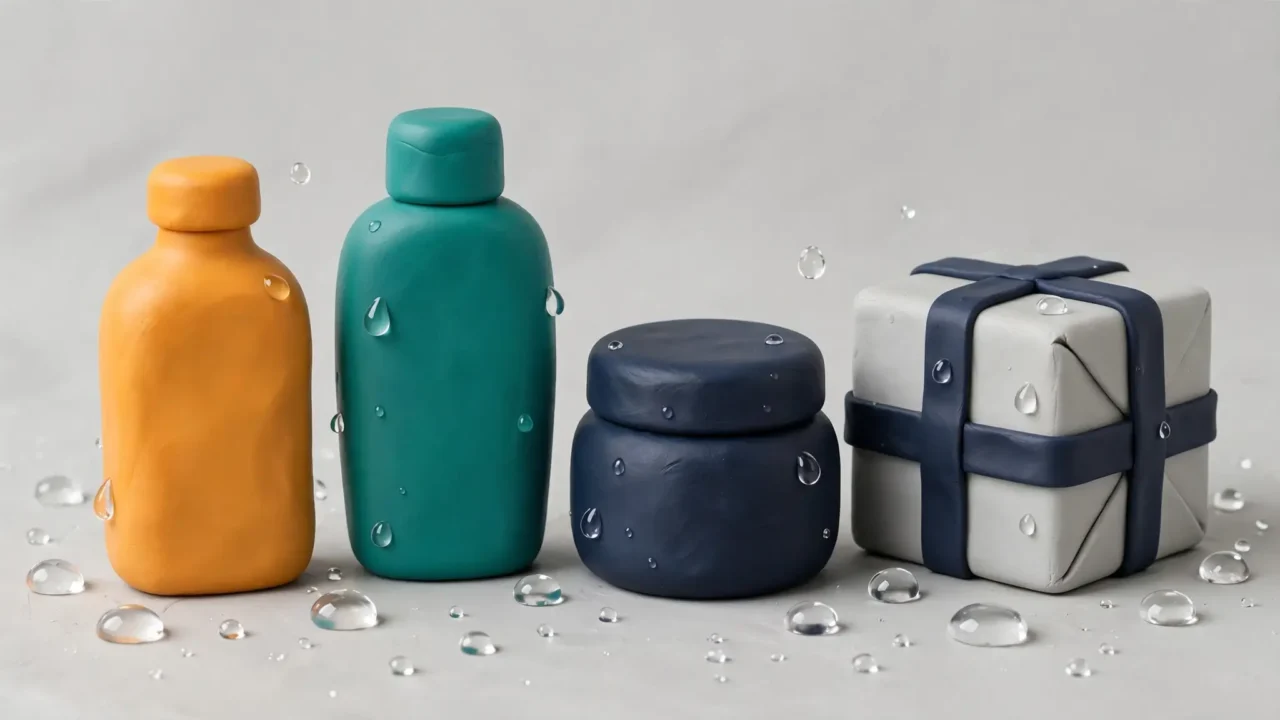
TCS treats liquids as a restricted category, not a banned one. That means most ordinary liquids travel fine – but only with special packing, and the branch can still refuse anything it considers risky. This table follows TCS’s own restricted-items guidance:
| Liquid type | TCS stance | Examples |
|---|---|---|
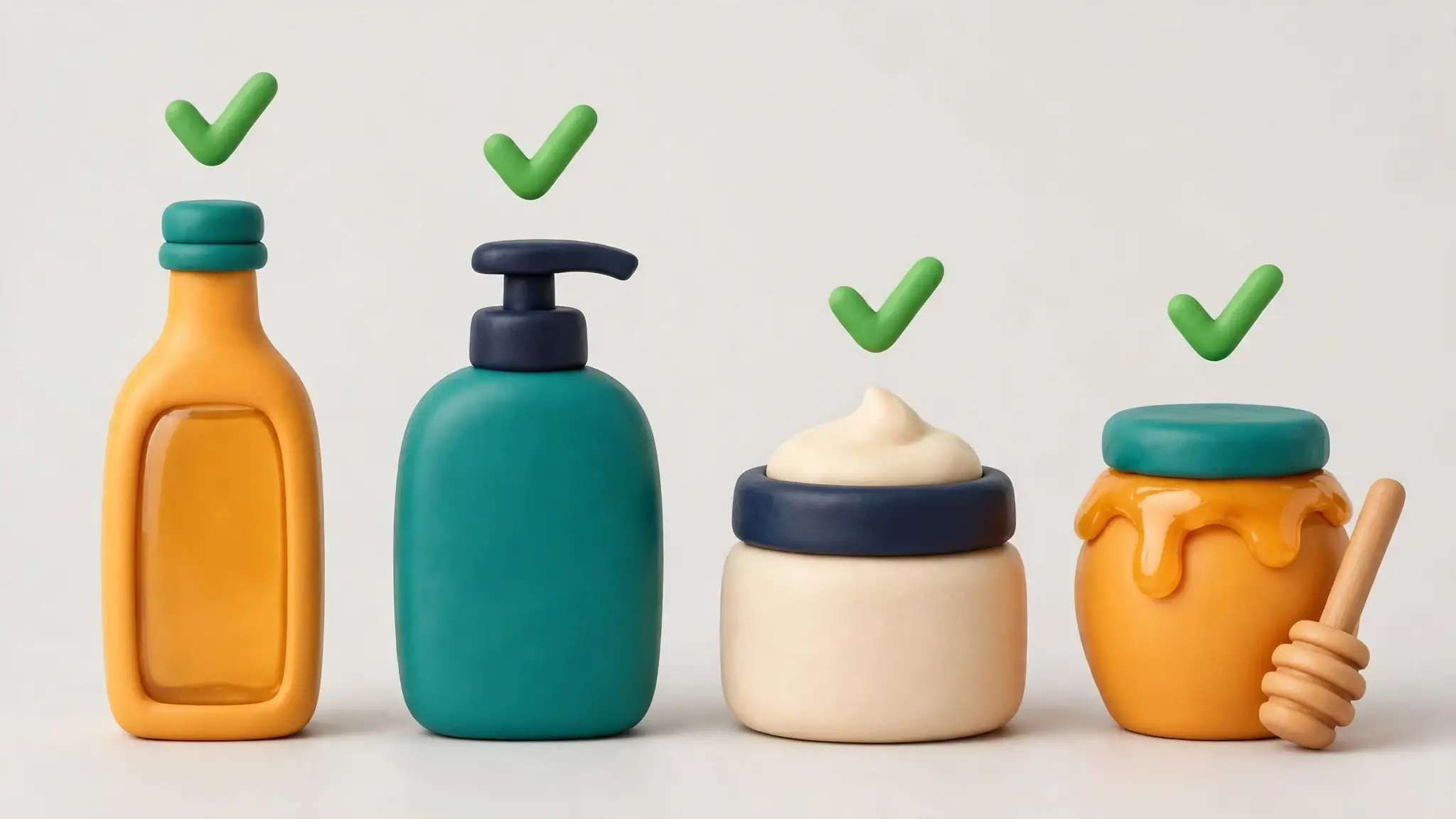
| Non-hazardous bottled liquids | Accepted with proper packing | Cooking oil, juices, bottled drinks, honey, syrups |
| Creams, lotions and cosmetics | Accepted with proper packing | Face creams, shampoos, conditioners, moisturizers, hand wash |
| Essential oils | Accepted with proper packing | Small sealed bottles of coconut oil, hair oil, herbal oils |
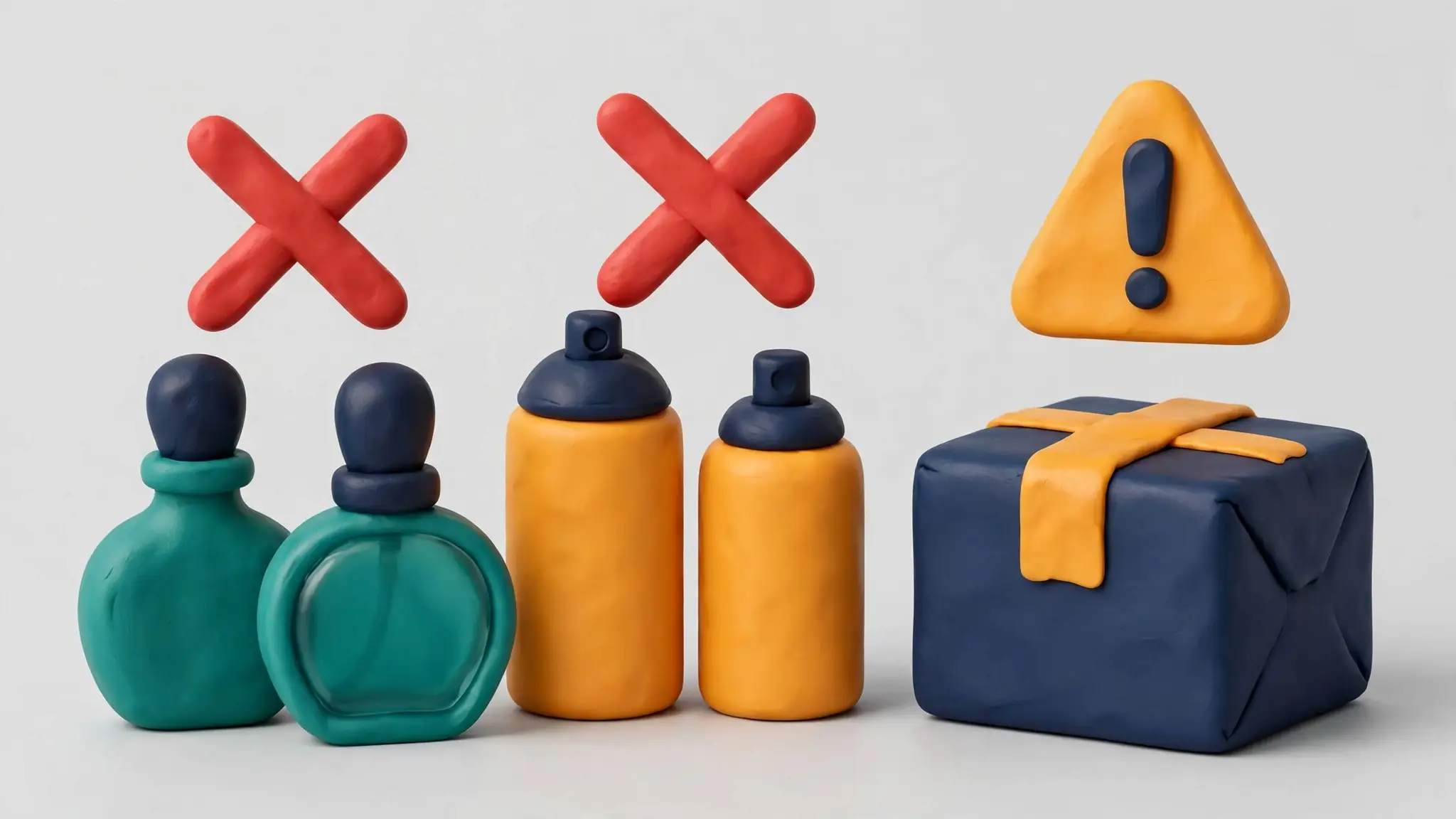
| Perfumes and alcohol-based fragrances | Usually refused | Alcohol-based perfumes, body sprays – flammable dangerous goods under air-transport rules |
| Aerosols and pressurised sprays | Usually refused | Deodorant sprays, cleaning sprays, air fresheners |
| Flammable or corrosive chemicals | Refused | Petrol, kerosene, acids, solvents, thinners, nail polish remover |
The grey zone is real: two branches can treat the same parcel differently, so the safest move is to call your branch or the TCS helpline before packing. For the full banned list, see our TCS prohibited items list 2026.
The 3-layer packing rule
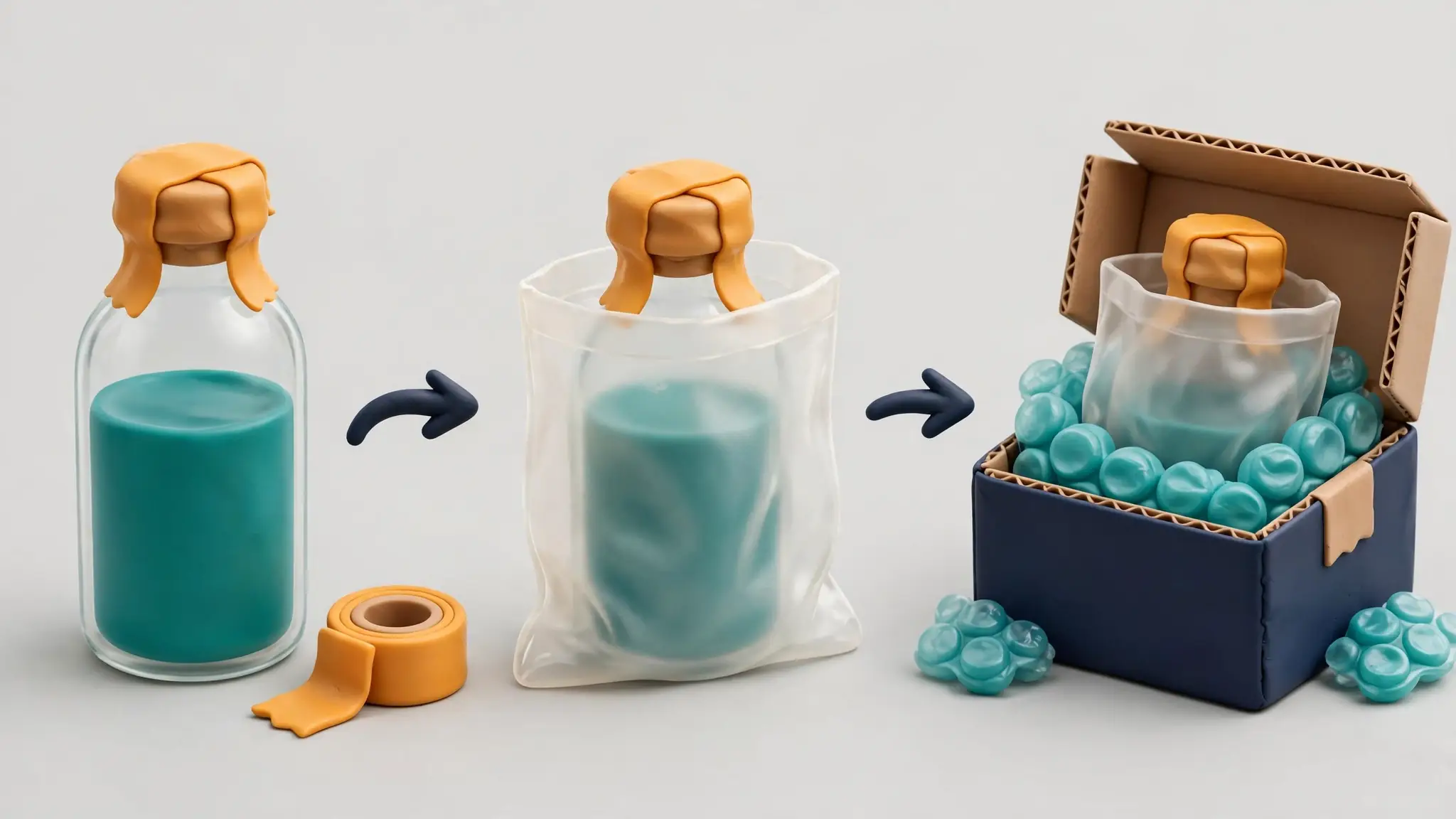
TCS staff can refuse any parcel that looks like it will leak on the sorting belt – one leaked bottle can ruin dozens of other parcels, so they take this seriously. Pack every liquid in three layers:
- Seal the bottle (layer 1): Tighten the cap fully, then run packing tape over and around the cap so vibration cannot loosen it. Do not fill bottles to the brim – leave a little air space so pressure changes do not force liquid out.
- Bag it (layer 2): Put each bottle inside its own sealed plastic bag. Double-bag glass bottles and anything expensive – if the cap fails, the bag contains the spill.
- Cushion and box it (layer 3): Wrap each bagged bottle in bubble wrap or foam, add absorbent material (old newspaper or tissue works) around it, then place it in a strong outer box. Fill every gap so nothing rattles, tape all seams with wide packing tape, and write “LIQUID – HANDLE WITH CARE” plus this-way-up arrows on the box.
Never use a thin polybag or a flimsy gift box as the outer layer – they tear in transit and staff will reject them at the counter. Our step-by-step parcel booking guide covers choosing the right box in detail.
Common mistakes that get liquid parcels refused
- Unmarked containers: Bottles with no label or no clear indication of what is inside make staff nervous – a clear label stating the contents (e.g. “cooking oil, sealed”) speeds up acceptance.
- Trying to sneak in perfume: Alcohol-based perfumes are flammable and classed as dangerous goods under air-transport rules. Declaring them honestly gets a refusal; not declaring them risks the parcel being held or destroyed in sorting.
- Single-wall carton for heavy bottles: A litre of oil weighs a kilo. Use a strong double-wall carton for anything heavy, or the box will burst on the belt.
- Loose caps on purpose-built bottles: Shampoo and oil bottles with flip caps are the worst offenders – tape every cap shut, no exceptions.
- Booking the slowest service in summer: Liquids sitting in a hot warehouse over a long weekend can expand and leak. For liquid parcels, Overnight Express is worth the extra rupees over Economy – less time in transit means less risk.
Hamza’s practical tip
If you sell oils, cosmetics or food items online, photograph each parcel after packing but before sealing. If a leak claim ever arises, those photos are your proof that you packed to standard – and they settle most disputes with buyers instantly. I also declare liquid contents honestly at the counter every time: an undeclared liquid found in sorting can delay not just your parcel but get your whole booking flagged. Thirty seconds of honesty at the counter saves days of headache later.
FAQs
Can I send cooking oil via TCS?
Yes. Cooking oil is a non-hazardous liquid and TCS accepts it under the restricted-items rules – usually under 1 litre per container, in a sealed bottle inside a plastic bag, packed in a strong box. Declare it at the counter.
Does TCS deliver perfumes?
Generally no. Alcohol-based perfumes are flammable and classified as dangerous goods under air-transport (IATA) rules, so TCS refuses them as standard parcels. Solid perfumes or alcohol-free fragrances may be treated differently – confirm with your branch.
How much liquid can I send in one parcel?
TCS’s restricted-items guidance mentions containers usually under 1 litre. There is no single published maximum for the whole parcel, so confirm with your branch for larger quantities – they may split it across bookings.
What about sending liquids internationally?
International liquid shipments face stricter airline and customs rules – many countries restrict food liquids, oils and cosmetics. Always confirm with TCS international services before packing; most sellers stick to domestic routes for liquids.
Will TCS insure my liquid parcel?
Standard bookings carry limited liability, and liquids are higher-risk cargo. For expensive items like branded cosmetics or bulk essential oils, ask about shipment insurance (CVI) at the booking counter – it is the same add-on TCS offers on any high-value parcel.
My liquid parcel leaked in transit – what now?
Contact the TCS helpline with your tracking ID and share your packing photos. Poor packing voids most claims, which is why the 3-layer method above matters – it is both your best protection and your evidence.
Written by Hamza Ali. Information checked against the official TCS website’s restricted-items guidance and current courier shipping guides. Acceptance rules and branch policies can change – confirm before booking. This site is an independent guide and is not run by TCS.



1 comment